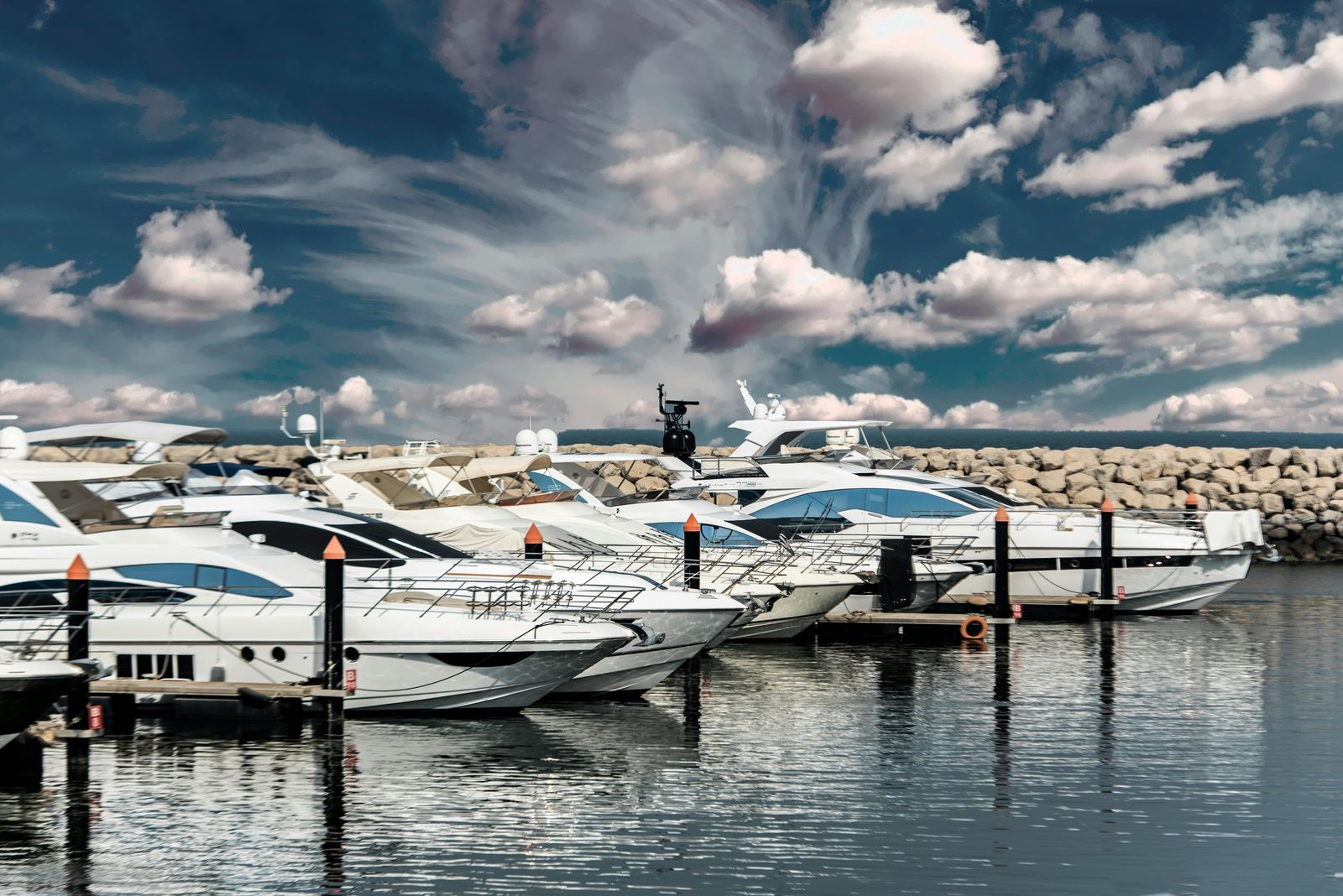
Boat · North Carolina
Jordan Lake on a July Saturday, Kerr for the long weekend, the Crystal Coast once a year. The boat works hard here. Its coverage should too.
Your homeowners policy treats a boat as an afterthought with a tiny limit. A marine policy treats it as the point.
The boat itself: hull, motor, and attached equipment. Collision, storm damage, fire, theft, sinking.
Core coverageThe dock you clip, the boat you swamp, the swimmer you didn't see. On-water liability protects everything you own back on land.
Core coverageInjuries aboard get paid without a fault argument first. Tubing wipeouts included.
RecommendedNorth Carolina doesn't make boaters carry insurance, so assume the boat that hits you has none. This is the backstop.
RecommendedThe trip down US-64 to the ramp is statistically rougher on boats than the water is. Coverage for the trailer and the tow.
OptionalRods, electronics, coolers, wakeboards. The stuff aboard that isn't bolted down can be covered too.
OptionalThe law asks very little of North Carolina boaters. Lenders, marinas, and physics ask considerably more.
North Carolina doesn't require insurance on recreational boats. Marinas and lenders usually demand it anyway, and liability exposure is there regardless. Source: N.C. Wildlife Resources Commission.
Anyone born on or after January 1, 1988 must pass an approved boating safety course to run a vessel of 10 horsepower or more in North Carolina. Source: N.C. Wildlife Resources Commission.
Home policies typically cap watercraft at token limits and strip out most on-water liability. The boat needs its own policy. Industry standard.
If the boat sits from November to March, a lay-up period can trim the premium while keeping theft and storm coverage in place. Industry practice.

A few details about the boat and where it lives, and your rate comes back in minutes.